How a State Pest Control Directory Helps You Find Licensed Pros
Finding a reliable pest control service often feels like a gamble. You search online, read a few reviews, and hope the company that shows up knows what they are doing. But when termites are chewing through your floorboards or bed bugs have turned your bedroom into a nightmare, you need more than hope. You need a professional who holds a valid pesticide license and understands the specific regulations in your state. That is exactly where a state pest control directory becomes an essential tool for homeowners and business owners alike.
Every state in the U.S. has its own set of rules governing pest control. The Environmental Protection Agency sets federal guidelines for pesticide use, but the actual licensing and enforcement happen at the state level. A state pesticide regulatory agency, often part of the department of agriculture or environmental protection, oversees who can apply pesticides commercially. A pest control operator must pass exams, complete continuing education, and carry insurance to maintain their pest certification. Without a directory that organizes this information, finding a qualified exterminator would mean calling around and hoping they are legit. A state pest control directory cuts through that uncertainty by listing only licensed companies.
Why Licensing Matters More Than You Think
Not all pest control services are created equal. A company that does excellent rodent control might have no experience with fumigation or termite treatment. More importantly, every pesticide applicator must follow strict safety protocols. If someone sprays the wrong chemical in your home, you could face health risks or property damage. The National Pest Management Association recommends always verifying a company's credentials before hiring them. A directory that aggregates state-level licensing data gives you that verification upfront. You can search for a local pest control company and immediately see if they hold the required pesticide license for your state.
I have seen too many homeowners hire a cheap operator only to find out later that the person had no pest certification. One story sticks with me: a family in Georgia hired a company for bed bug extermination. The treatment seemed to work, but a month later the bugs came back worse. It turned out the company had used a diluted chemical mix because they were not licensed to purchase the proper product. The family ended up spending twice as much on a certified pest control operator who used Integrated Pest Management techniques to solve the problem permanently. A directory would have saved them the headache.
What a Good Directory Includes
A well-made state pest control directory does more than list names and phone numbers. It should show the types of services each company provides, such as structural pest control, mosquito control, or green pest control options. It should also indicate whether the company holds a pesticide applicator license for general use or a restricted-use license for more dangerous chemicals. Some directories even note if the company follows Integrated Pest Management, which focuses on long-term prevention and minimal chemical use. That is a big plus for families with kids or pets.
You should also be able to filter by the specific pest problem you face. Termite treatment requires a different skill set than rodent control. A fumigation job needs a specialist with training in handling gaseous pesticides. A directory that lets you search by service type saves time and connects you with the right expert. Some directories also include customer reviews, but I put more weight on licensing and years in business. A company that has held a pest certification for ten years is likely doing something right.
How to Use a State Pest Control Directory Effectively
When you open a state pest control directory, start by selecting your state. Then look for the category that matches your issue. If you suspect termites, search for termite treatment. If you have a bed bug problem, look for bed bug extermination. Once you have a list of candidates, check each company's license number. You can usually verify that number on the state pesticide regulatory agency website. This extra step confirms the company is in good standing and has not faced disciplinary actions.
Next, call two or three companies from the list. Ask about their experience with your specific pest, their approach to pest management, and whether they offer a pest inspection before quoting. A reputable pest control operator will gladly explain their process. They should also talk about their pest management plan, which outlines the steps they will take and what you can expect afterward. Be wary of anyone who pressures you into signing a contract without a proper inspection.
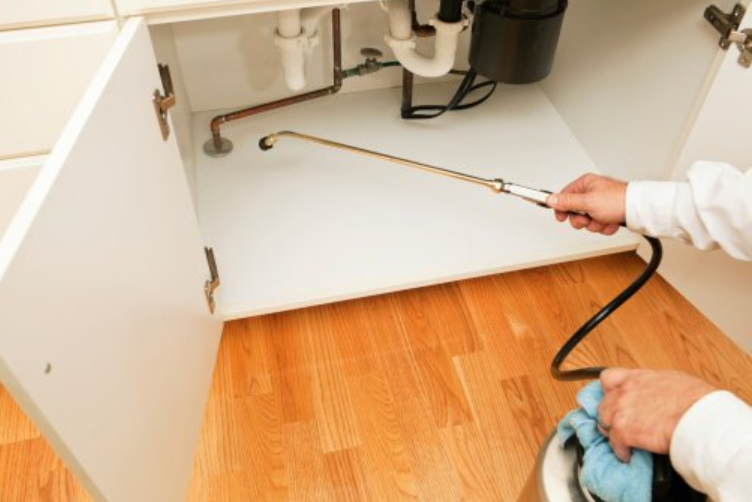
One more thing: ask about green pest control options if that matters to you. Many licensed companies now offer low-toxicity treatments or use Integrated Pest Management principles. These methods can be just as effective as traditional chemicals, especially for ongoing issues like cockroach or ant infestations. A good directory will let you filter for these services, making it easier to align your choice with your values.
Beyond the Directory: Staying Informed
A directory is a starting point, not the whole story. Pest control regulations change. New pesticides get approved, old ones get phased out, and license requirements can tighten. The National Pest Management Association publishes updates on industry standards, and the Environmental Protection Agency occasionally revises its guidelines. If you own a rental property or manage a commercial building, staying current on these changes helps you avoid liability. A pest control service that keeps up with these updates is worth its weight in gold.
I also recommend building a relationship with one trusted company rather than switching every time you have a problem. A pest control operator who knows your property can spot early signs of trouble, like a small termite mud tube or a few rodent droppings, before they become full-blown infestations. That kind of preventive care saves money and stress. A directory helps you find that first great company, but the ongoing partnership is what keeps your home safe.
Common Mistakes People Make
The biggest mistake is skipping verification. Just because a company appears in a directory does not mean they are the best fit. Always confirm their pesticide license is current and covers the type of treatment you need. Another mistake is hiring the cheapest option. Pest control is one of those areas where you truly get what you pay for. A low bid often means the company cuts corners on safety or uses outdated methods. A reputable exterminator charges a fair price for proper training, equipment, and insurance.
Some people also forget to ask about warranties. A good pest management plan includes a follow-up visit if the problem returns within a certain period. If a company does not offer any guarantee, that is a red flag. A directory might not show warranty information, but you can ask during your phone call. Most licensed companies stand behind their work.
Final Thoughts
A state pest control directory is not just a list. It is a tool that puts verified, licensed professionals at your fingertips. Whether you need mosquito control for your backyard, fumigation for a storage unit, or structural pest control for your home, starting with a directory saves time and reduces risk. The next time a pest problem arises, skip the generic search results and go straight to a directory that knows your state's rules. Your peace of mind is worth the extra two minutes it takes to use it right.